Retro American Mama: A Designer's Take on Patriotic Stitching
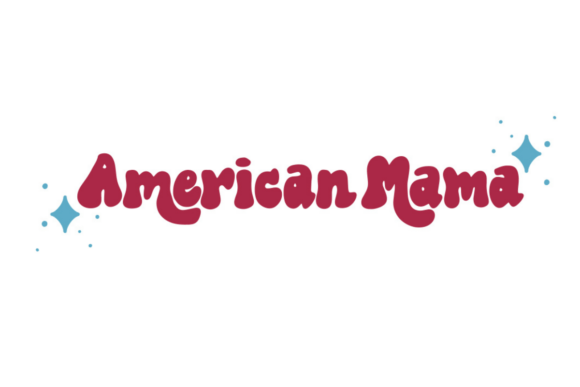
When I first pulled up the Retro American Mama file on my screen, I didn't just see a digital asset; I saw a specific moment in time. There is a distinct mood to this piece that bridges the gap between vintage nostalgia and modern boutique trends. As someone who spends hours hooping fabric and trimming jump stitches, my first instinct is always to look past the pretty preview image and imagine the thread hitting the cloth. This design, categorized under Crafts and Graphics, carries a playful energy that demands the right substrate to truly shine. The deep mauve bubble font suggests a softness that contrasts beautifully with the bold patriotism of the theme, creating a visual personality that feels less like a standard holiday flag-waver and more like a lifestyle statement.
Visualizing the Finished Product
The layout of Retro American Mama is deceptively simple, which is often where designs succeed or fail in production. The whimsical scatter elements flanking the text add movement, but they also introduce complexity regarding stitch direction and density. In a real-world scenario, I immediately pictured this stitched onto a cream-colored canvas tote bag. The texture of the canvas would provide enough tooth for the stitches to grip without sinking, while the neutral background would allow that deep mauve to pop without competing with the fabric color. Alternatively, this would make an exceptional sweatshirt embroidery project for a boutique clothing line. Imagine a heather grey French terry crewneck; the retro font would sit comfortably across the chest, offering a trendy yet timeless look for a customer walking through a farmers' market.
However, the true test of any machine embroidery design is how it translates from a vector concept to physical thread. The bubble font implies rounded edges and potentially dense fill areas. If you are planning to use this for custom apparel, you need to consider how those curves will lay on a curved surface. For flat items like pillow covers or kitchen towels, the design will likely render with high fidelity. But for something like a cap or a structured hat, the scatter details might get lost or distort if the hoop tension isn't perfectly managed. This is not a design to rush; it requires a thoughtful approach to placement.
Performance on Various Fabrics and Hoops
One of the most critical aspects of reviewing an embroidery file is understanding its limitations on different materials. Retro American Mama features lettering that, while playful, needs to maintain clarity. On thin or stretchy fabrics, such as a lightweight tri-blend tee or a silky baby onesie, there is a risk of puckering if the stitch density is too high. Before committing to a final product, I strongly advise testing this on a scrap piece of your intended fabric. If you are working with dark fabric, you may need to adjust the thread colors or add an underlay to prevent the base material from showing through the mauve fills, which could muddy the vibrant retro aesthetic.
For those considering this for an embroidered patch, the design holds promise, provided the border is defined clearly. Patches require tight satin stitching around the perimeter to prevent fraying, and the internal details of the scatter graphics must be large enough to stitch out cleanly without becoming a bird's nest of thread. If you are using a small hoop size, pay close attention to the outer edges of the whimsical elements. You might need to resize the design slightly to ensure nothing gets cut off during the stitching process. Always confirm the maximum dimensions available in the file package before purchasing.
Practical Notes for Commercial Use
For the Etsy seller or small shop owner looking to expand their holiday embroidery or patriotic collection, Retro American Mama offers strong commercial potential. The "Mama" niche is perennially popular, and the retro twist keeps it fresh for current seasons. However, professionalism is key. A sloppy stitch-out can damage your brand reputation faster than a bad review. To ensure your handmade product looks premium, focus on your stabilizer choice. A cut-away stabilizer is often safer for garments that will be washed frequently, ensuring the design doesn't warp over time. Tear-away might suffice for home decor items like wall hangings that won't undergo rigorous washing cycles.
When creating printable mockups for your online store, remember that digital representations can sometimes hide stitching issues. It is wise to photograph your actual stitched samples in natural light. Show the texture of the satin stitch and the depth of the fill stitch to give customers a realistic expectation of the finished product. This transparency builds trust and reduces return rates. Additionally, if you are selling this as part of a bundle of design assets, ensure you have the correct licensing terms cleared for commercial redistribution if that is your business model.
Final Verdict on Design Utility
Ultimately, Retro American Mama is a versatile graphic that fits well within the current landscape of maker culture. It balances fun typography with thematic relevance, making it suitable for everything from a personalized gift for a new mother to a batch of inventory for a craft fair. The deep mauve colorway is a sophisticated departure from the usual bright reds and blues, appealing to customers who want to show patriotic spirit without being overly loud.
Before diving into a large production run, take the time to inspect the small details. Check the connectivity of the letters in the bubble font to ensure there are no weak points where threads might break. Review the transition between the text and the scatter elements to see if there are excessive trims that will slow down your machine. If the file includes multiple formats, choose the one best optimized for your specific machine brand to minimize digitizing errors. Whether you are creating a tote bag design for a local event or a baby embroidery piece for a nursery, this design has the character to elevate your project. Just remember, the quality of the final output relies as much on your execution—your thread choice, your tension, and your fabric selection—as it does on the digital file itself. Treat it with the care it deserves, and it will become a staple in your library of go-to patterns.